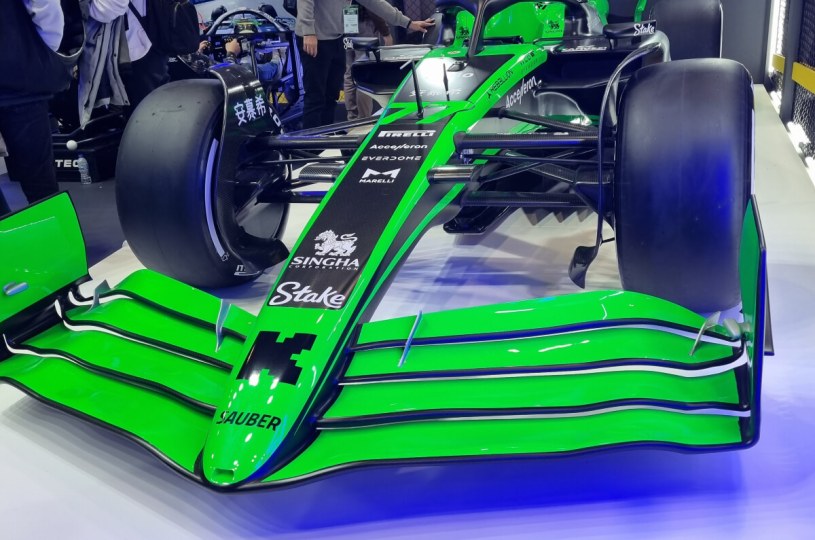
In 2024, it’s clear that crypto is here to stay. And not only that, it’s become mainstream. Anyone who watches football or Formula 1 on TV is bound to be aware of some big names in the crypto world.
The cryptocurrency exchange FTX, for example, was a sponsor of the Mercedes- AMG Petronas F1 team up until November 2022 (the logo was removed from the cars pretty sharpish when FTX collapsed into bankruptcy amidst rumours of fraud).
Another cryptocurrency exchange, Kraken, sponsors the Williams F1 team. Despite being the subject of several regulatory investigations, they are generally considered to be at the respectable end of crypto organisations (the same cannot be said for the many scammers who pretend to be them on WhatsApp and Telegram).
The really big crypto name in sports sponsorship at the moment, however, is crypto casino Stake.
The Stake F1 team name is so controversial that it can’t be used at many F1 races. This isn’t because it’s associated with crypto, though – it’s because it falls foul of local gambling advertising regulations. Gambling is either regulated (white market) or banned (black market) in most countries these days, but crypto remains a grey market. Embarassingly for Stake, the Sauber team is based in Switzerland where gambling is regulated, and Stake doesn’t have a Swiss licence.
Crypto casinos are not allowed in the UK, so how do they get away with having the Stake name on the car in the UK? It turns out that there’s a special UK licensed version of Stake without the crypto, and if you try to visit Stake from inside the UK, that’s where you’ll be sent.

Will UK players ever be able to use cryptocurrencies to deposit? It turns out that this question is rapidly turning from “if” to “when”.
I recently attended SBC Casino Beats Malta where one of the most interesting items on the agenda was a fireside chat with the UK regulator and one of the questions asked was about whether crypto casinos would be allowed in the UK in the future. The answer was fascinating; apparently crypto casinos are not specifically banned but currently it is “not practical” for an operator who accepts crypto deposits to carry out the KYC (Know Your Customer) and AML (Anti Money Laundering) checks that are required under the LCCP (Licence Conditions and Code of Practice) for UK casinos.
As to why it’s not practical, it’s because cryptocurrencies and crypto exchanges are not fully regulated in the UK – yet.
Because of the issues with KYC and AML, it was never going to be easy to regulate crypto properly and the simplest strategy was to wait until other countries did it and follow their lead.
The EU has now blazed a trail with ambitious plans for regulation and MiCAR (Markets in Cryptoassets Regulation) is due to take effect in 2024. And now, the UK has also taken some important steps down that road.
The new regime started on 8th October 2023. The FCA (Financial Conduct Authority) now has jurisdiction over the marketing of cryptoassets to consumers, requiring advertisers to have FCA authorisation (so no more “finfluencers” and no more crypto memes) and has set some tough new rules about risk warnings and disclosure. And they aren’t messing about – in the first couple of weeks they issued over 200 warnings for non compliance.
Another important step on the road to regulation came with the involvement of HMRC with regard to UK taxes on capital gains from crypto transactions. FCA authorised crypto exchanges such as Coinbase now supply the contact details of users with crypto assets valued at more than £5000 to HMRC (which treats crypto assets as property rather than as currency). The UK is also on the way to implementing the international CARF taxation regime (Crypto-Asset Reporting Framework) which will harmonise reporting requirements in all participating countries and help combat tax evasion globally.
Next comes regulation of the cryptocurrencies themselves (including full bank style regulation of the crypto exchanges) and this is envisaged to be rolled out in two phases. The first would cover stablecoins (crypto assets that are backed by fiat currency) and it’s only in the second phase (which could be a long time coming) that regulation will be extended to other categories of cryptoassets.
UK facing crypto casinos, then, could be closer than we thought. But only after a fashion; while the regulation of cryptocurrencies will certainly make it possible for casinos to accept them as a deposit method, the UK Gambling Commission also regulates the actual games so true crypto casinos with provably fair blockchain games are still a pipedream for UK gamblers.
 Bingo Fairy